
Try · ·
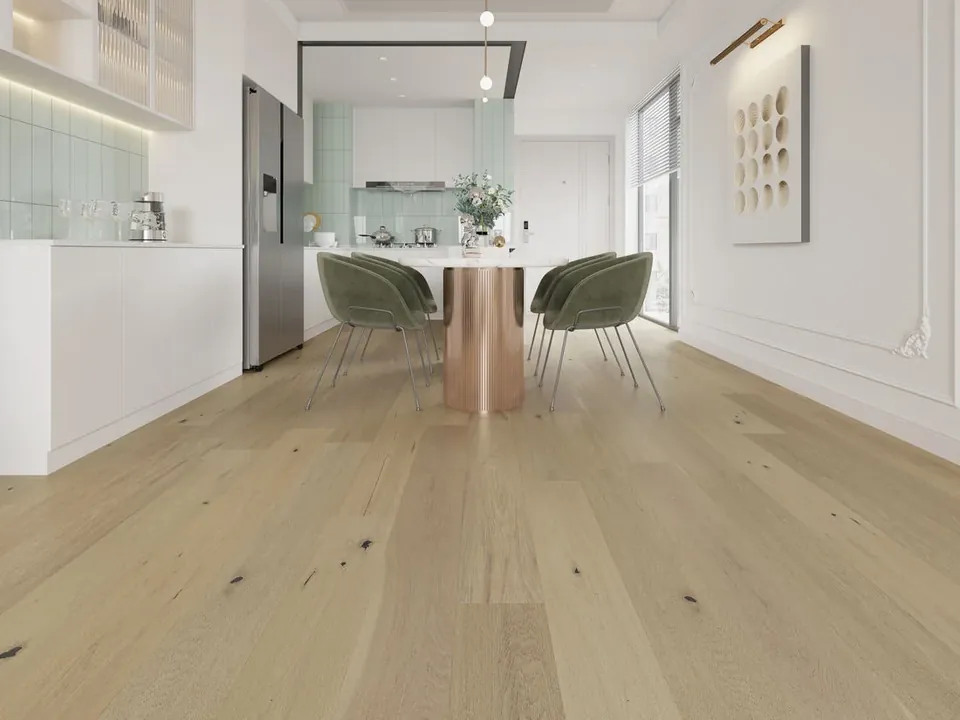 Room View
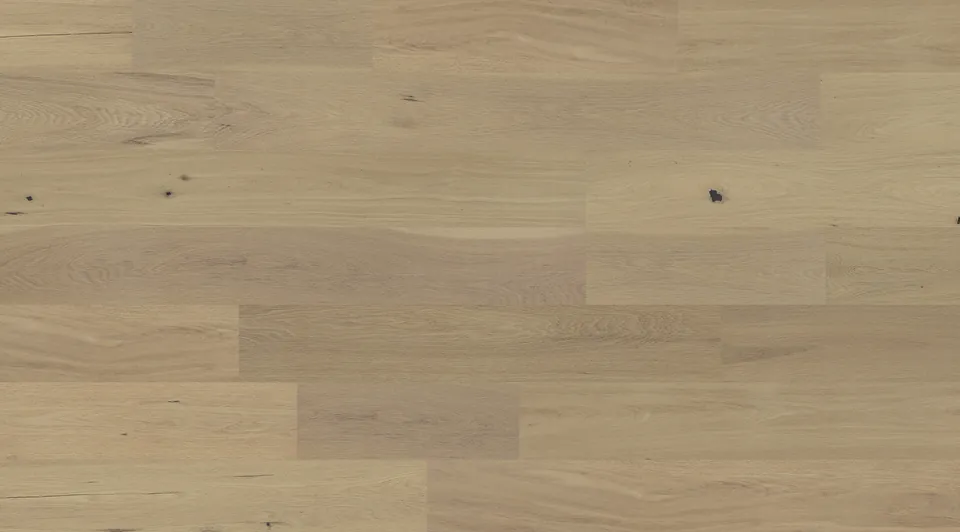
Fortino
Greige OakMuted grey-beige with brown undertones
Oak1.2 mm veneer6-1/2″ WideCharacter Grade
$5.99 / sq ft$3.99 / sq ft
Save 33%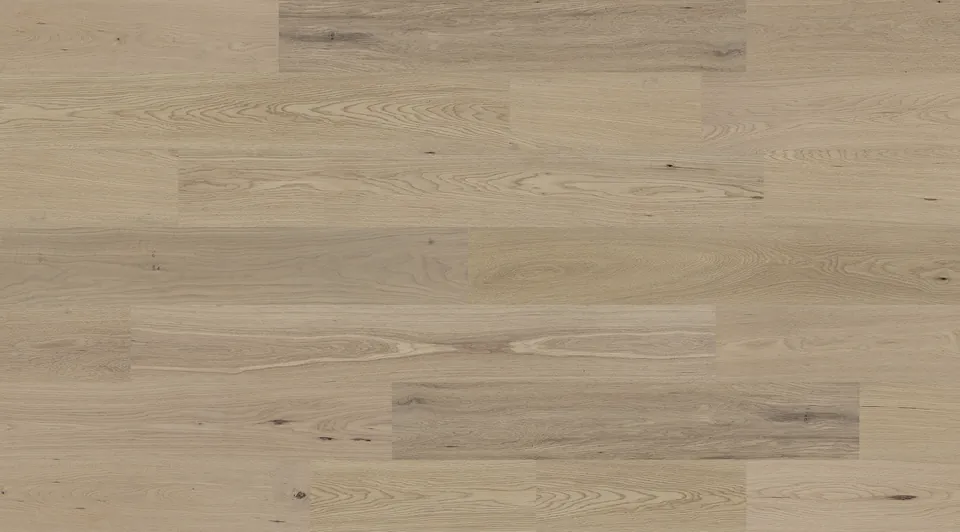
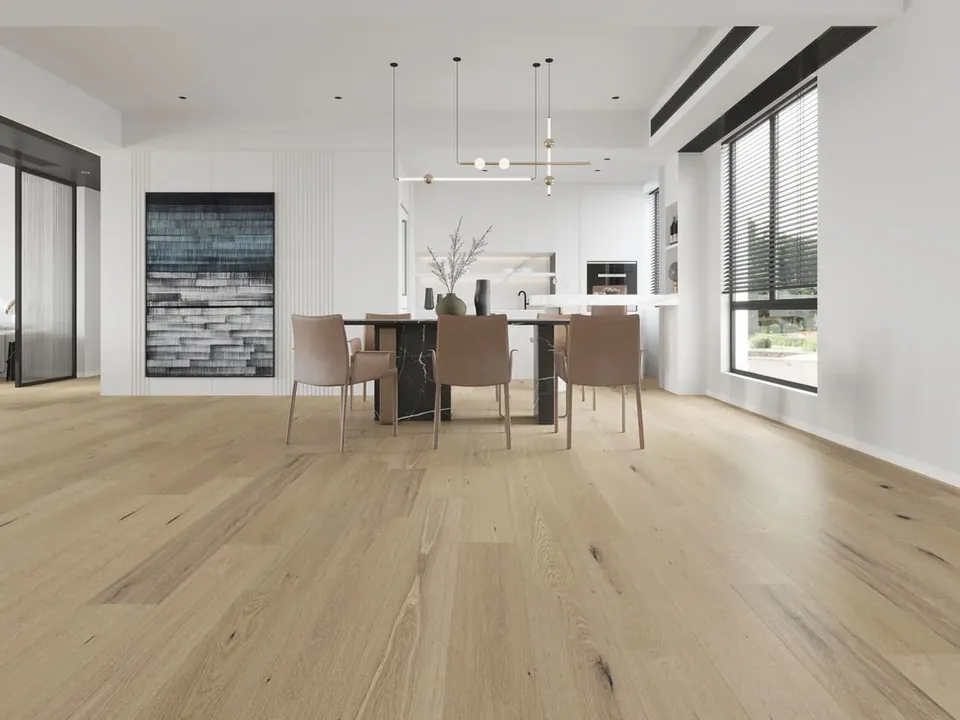 Room View
Raw
Greige OakPale raw grey-beige, natural character
Oak1.2 mm veneer6-1/2″ WideCharacter Grade
$5.99 / sq ft$3.99 / sq ft
Save 33%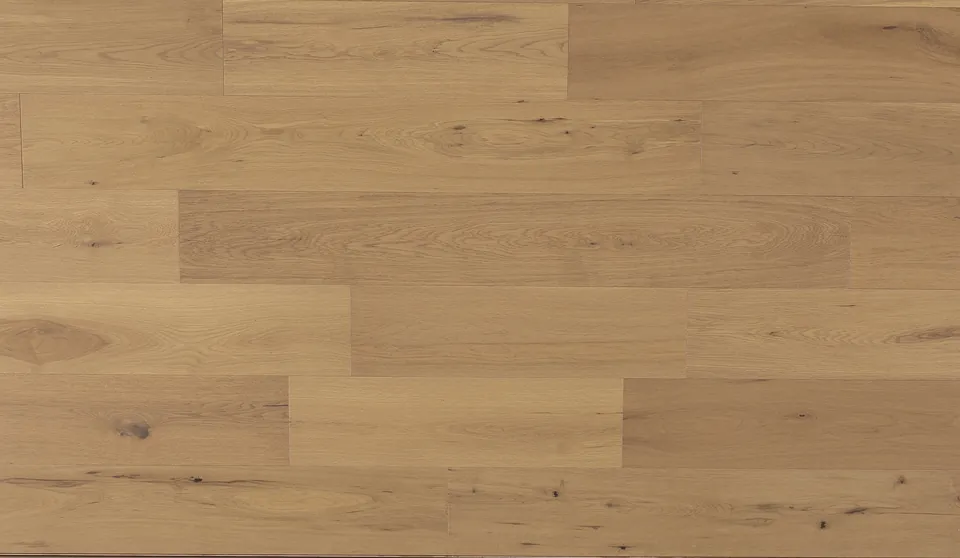
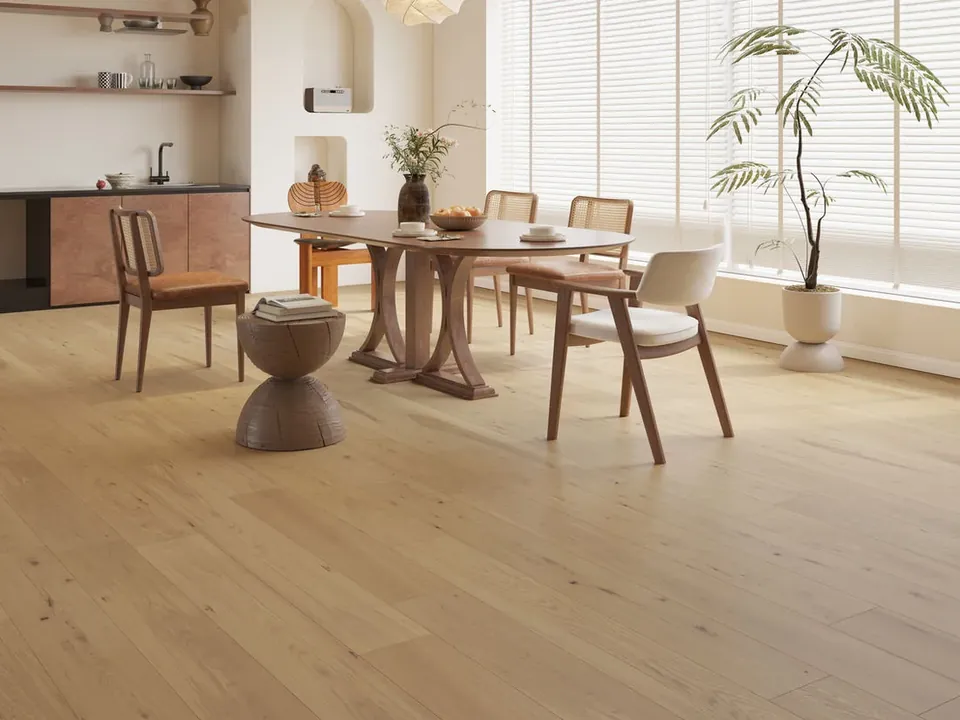 Room View
Saffron
Golden Blonde OakGolden blonde with character
Oak1.2 mm veneer6-1/2″ WideCharacter Grade
$5.99 / sq ft$3.99 / sq ft
Save 33%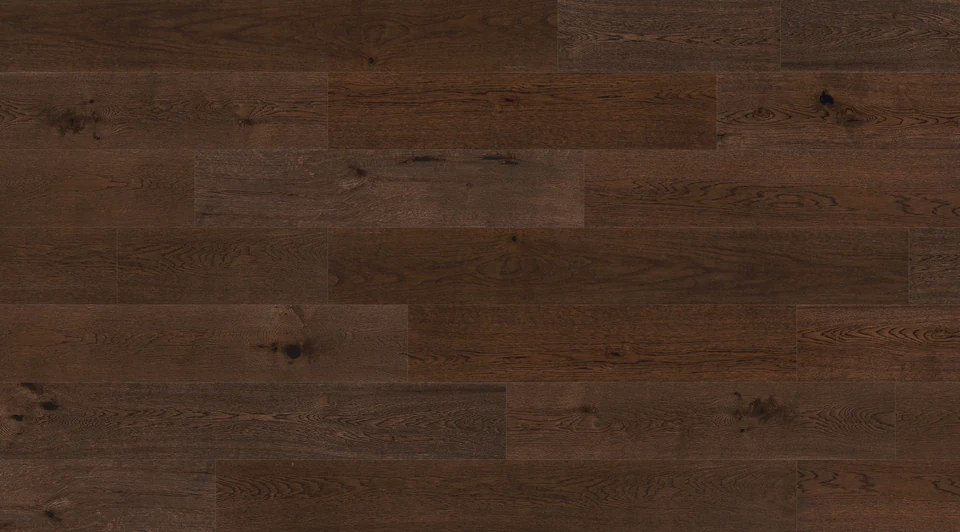
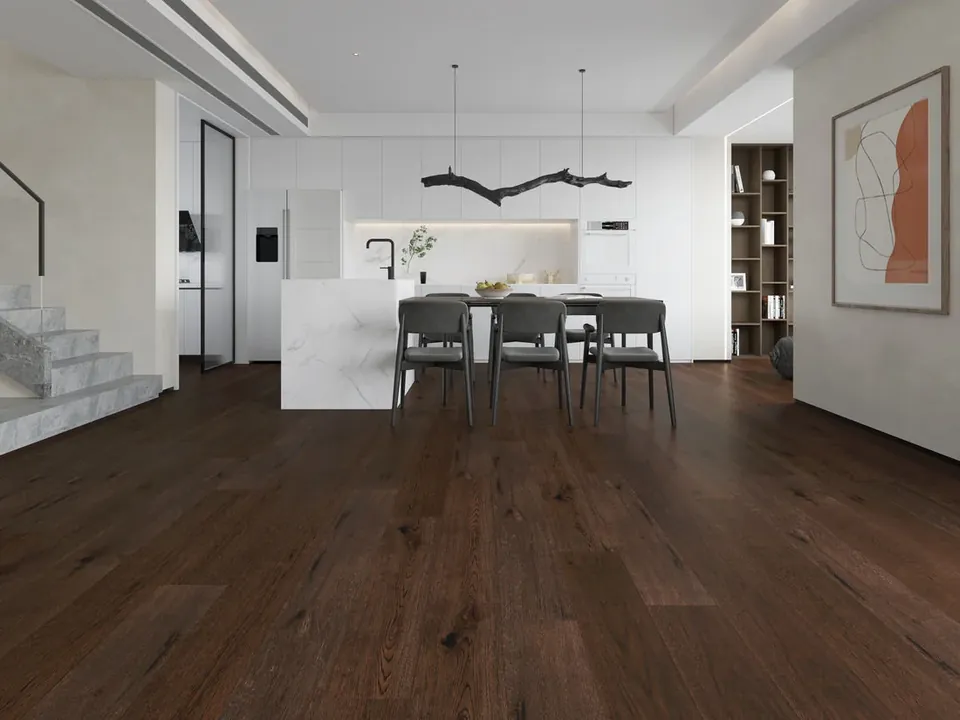 Room View
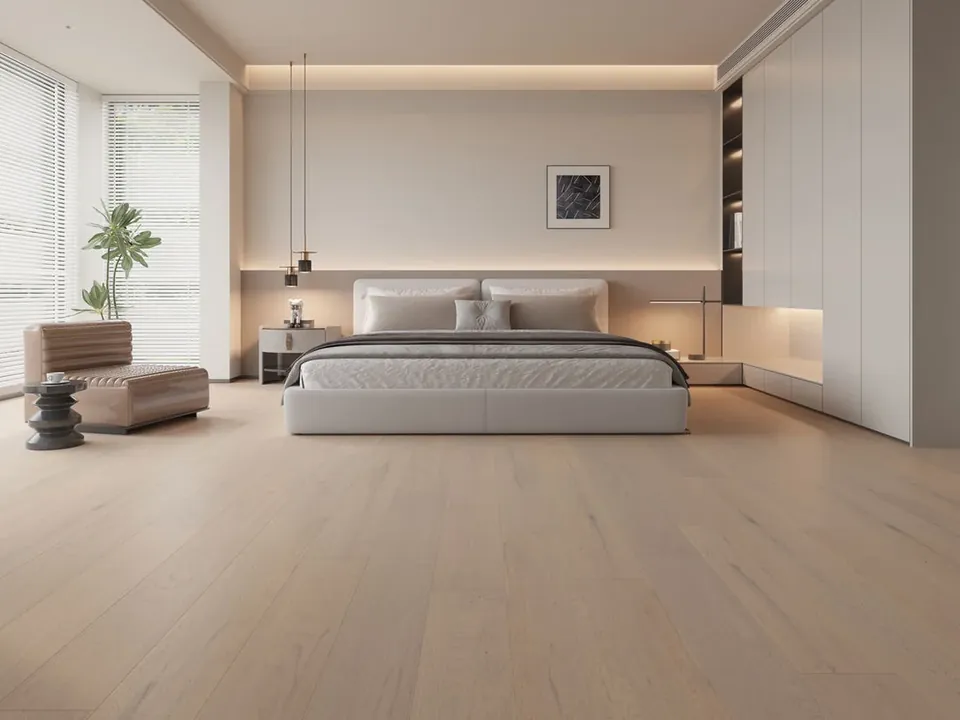
Sandy Brown
Dark Brown OakDeep coffee brown, rich and warm
Oak1.2 or 2 mm veneer6-1/2″ WideCharacter Grade
Also available in Select Grade
$5.99 / sq ftFrom $3.99 / sq ft
Save 33%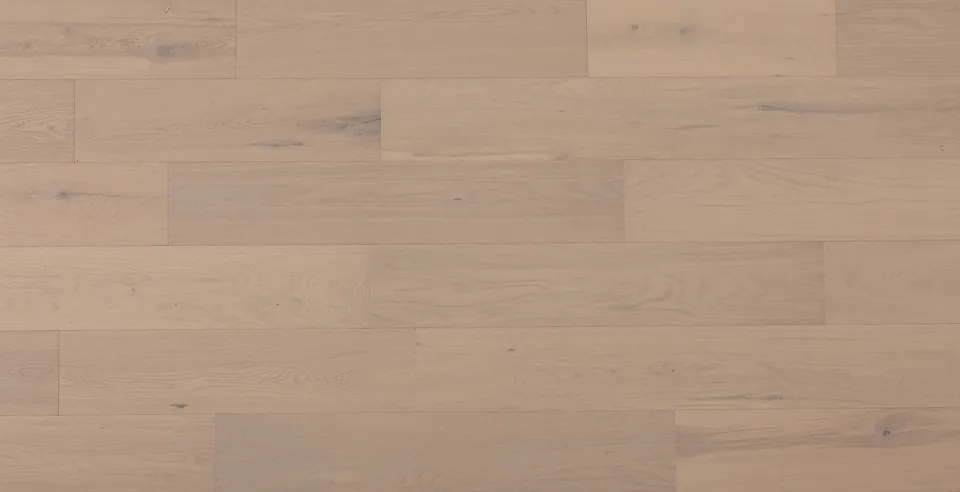
 Room View
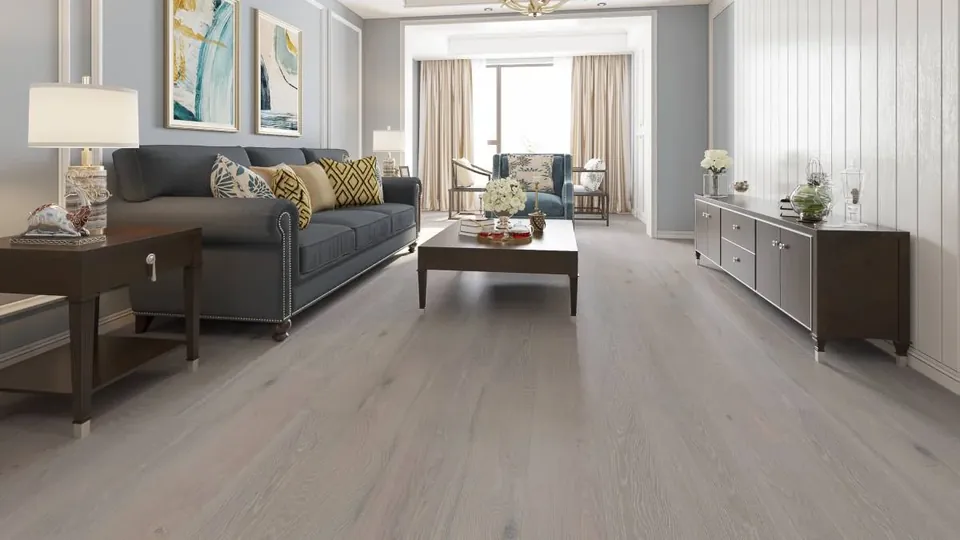
Seashell
Whitewashed OakPale shell white with character
Oak1.2 mm veneer6-1/2″ WideCharacter Grade
$5.99 / sq ft$3.99 / sq ft
Save 33%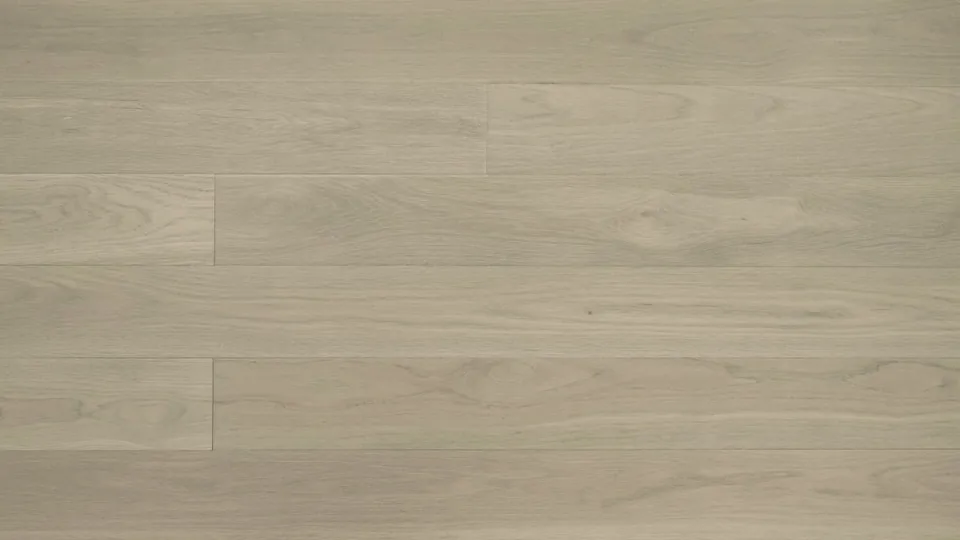
 Room View
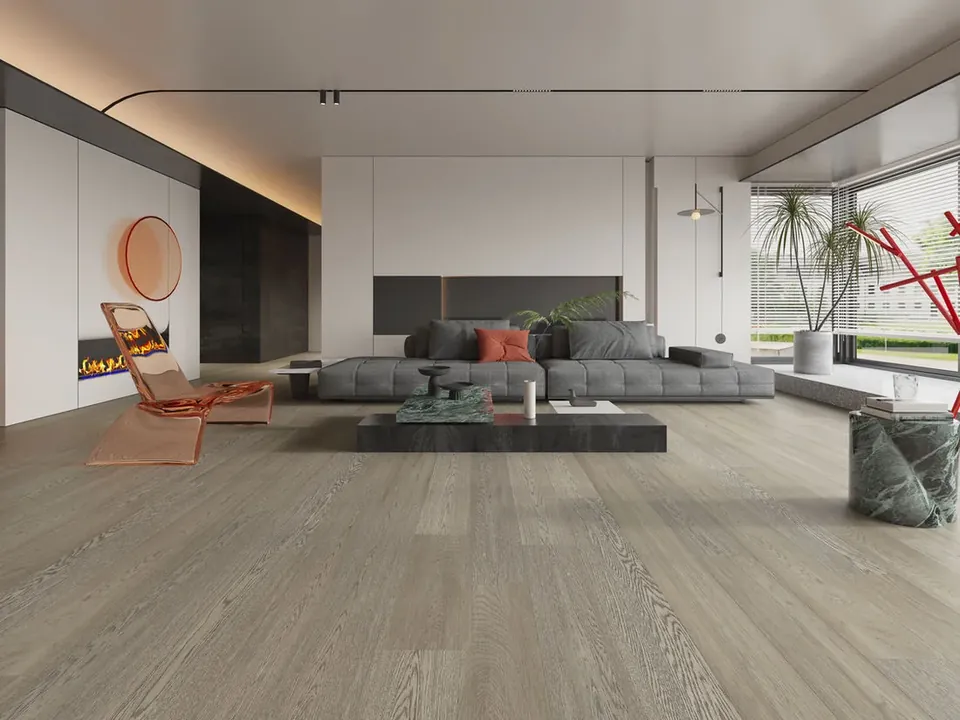
Silver Stone
Cool Grey OakSilvered grey, sleek and urban
American White Oak2 mm veneer6″ WideCharacter Grade
Also available in Select Grade
$7.35 / sq ftFrom $3.99 / sq ft
Save 46%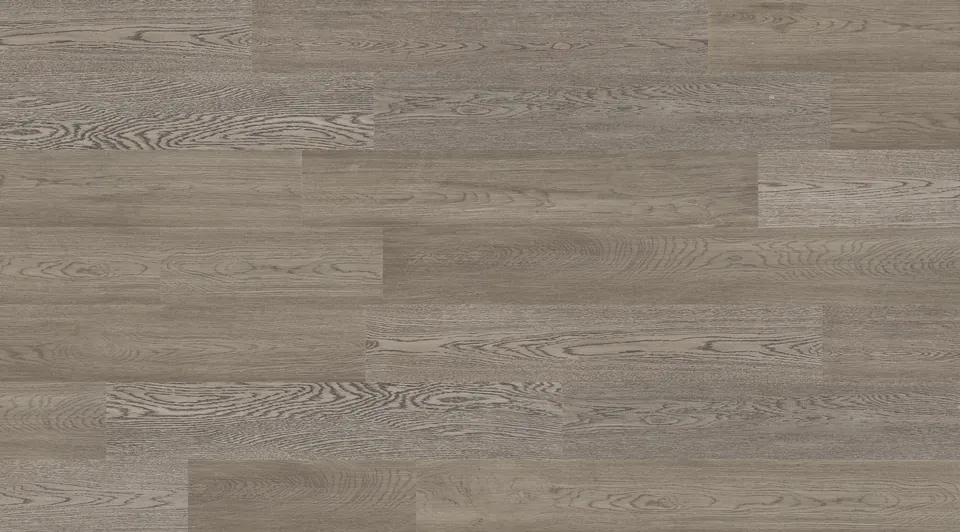
 Room View
Silvery Gray
Warm Grey OakSilvered grey with character
Oak1.2 mm veneer6-1/2″ WideCharacter Grade
$5.99 / sq ft$3.99 / sq ft
Save 33%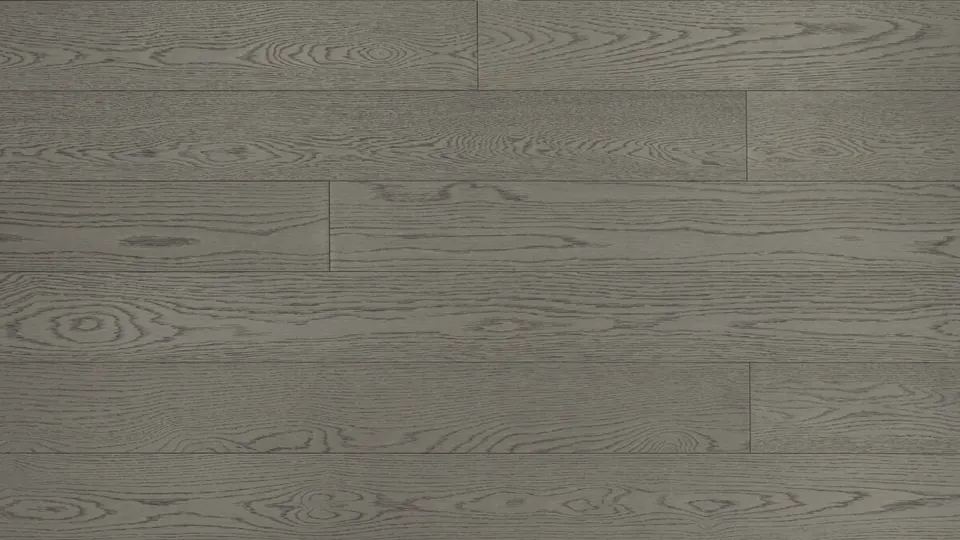
 Room View
Smoke Grey
Smoked Grey OakWarm-cast grey, not cold
American White Oak2 mm veneer6″ WideCharacter Grade
$7.35 / sq ft$3.99 / sq ft
Save 46%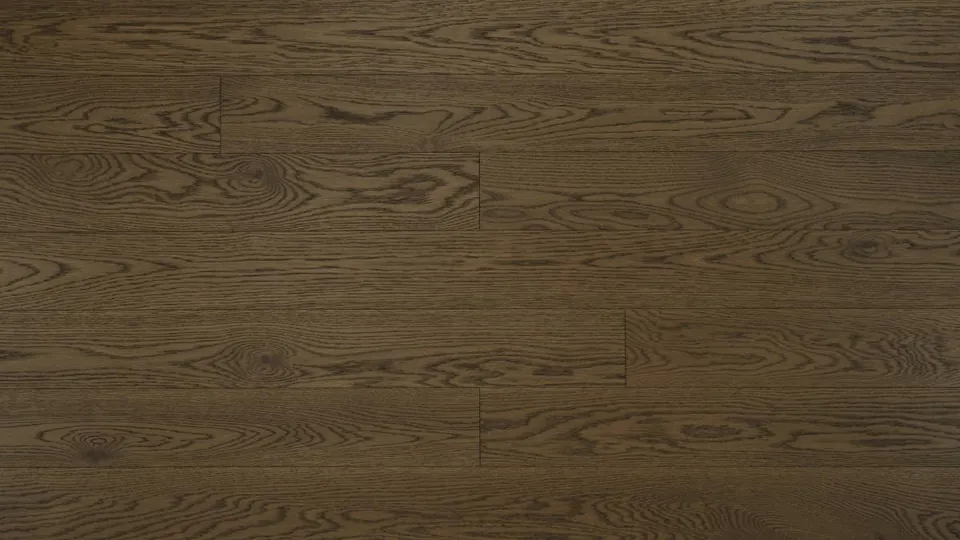
Camel
Camel Brown OakDeep camel brown, warm and grounded
American White Oak2 mm veneer5″ WideCharacter Grade
$6.69 / sq ft$4.29 / sq ft
Save 36%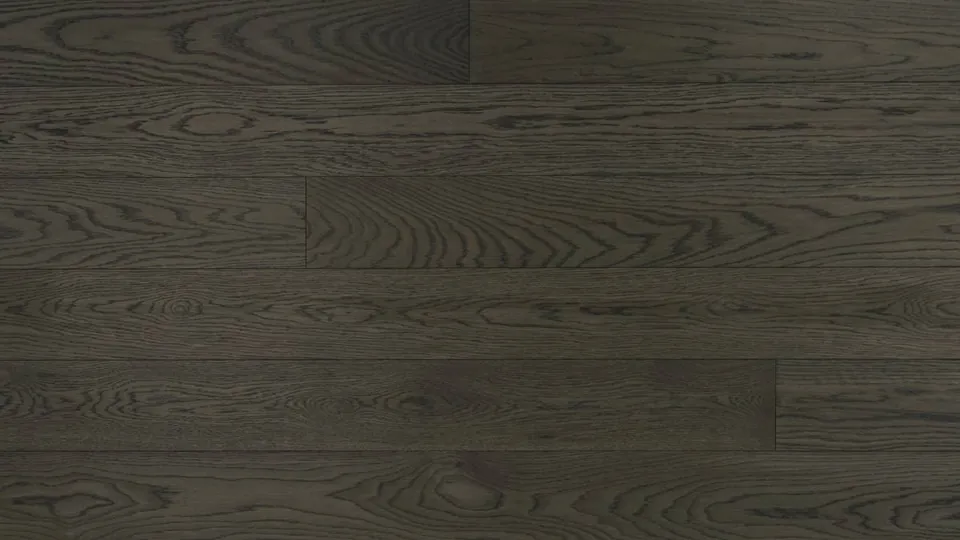
Coffee
Dark Coffee OakDeep coffee brown, rich and dramatic
American White Oak2 mm veneer5″ WideCharacter Grade
$6.69 / sq ft$4.29 / sq ft
Save 36%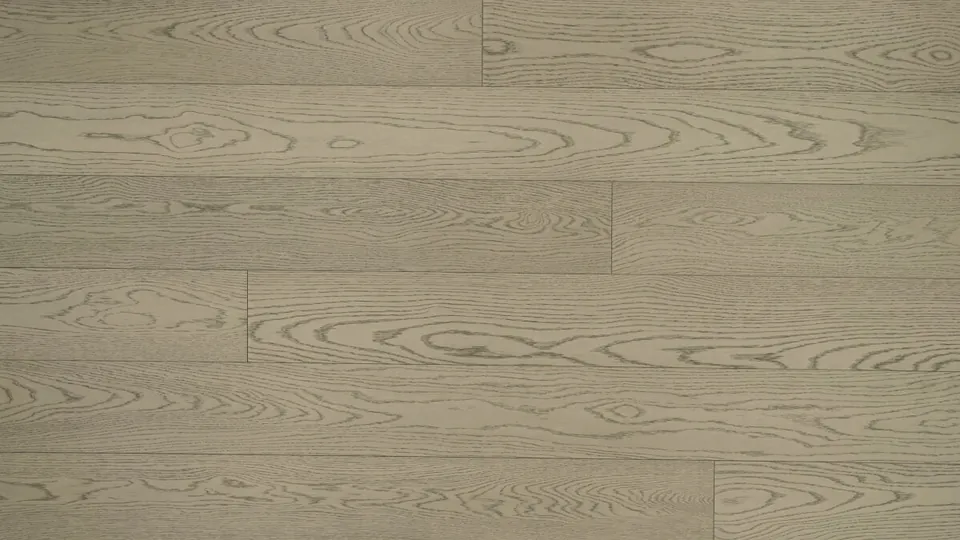
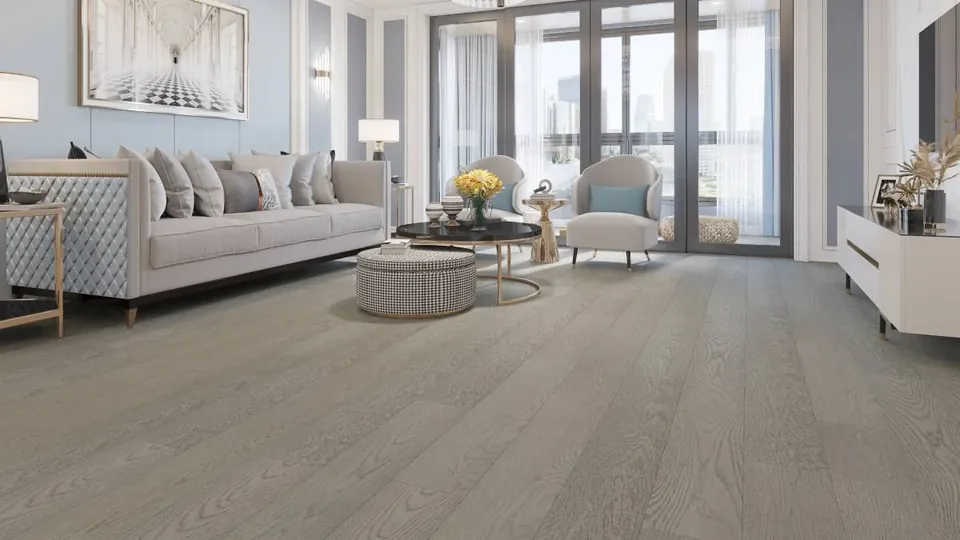 Room View
Sky
Light Greige OakPale airy grey-beige
American White Oak2 mm veneer6″ WideCharacter Grade
$7.35 / sq ft$4.29 / sq ft
Save 42%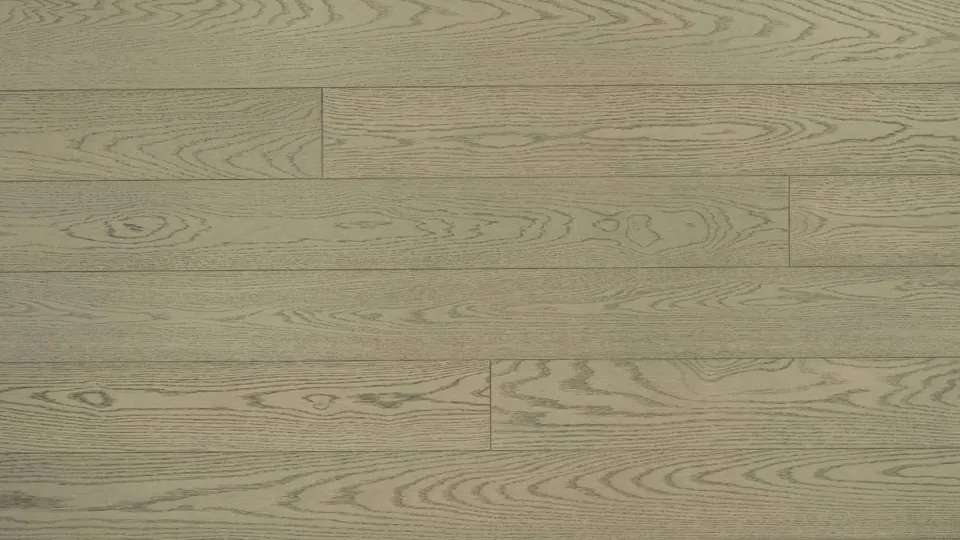
Sky
Muted Greige OakSoft overcast greige with natural character
American White Oak2 mm veneer5″ WideCharacter Grade
$6.69 / sq ft$4.29 / sq ft
Save 36%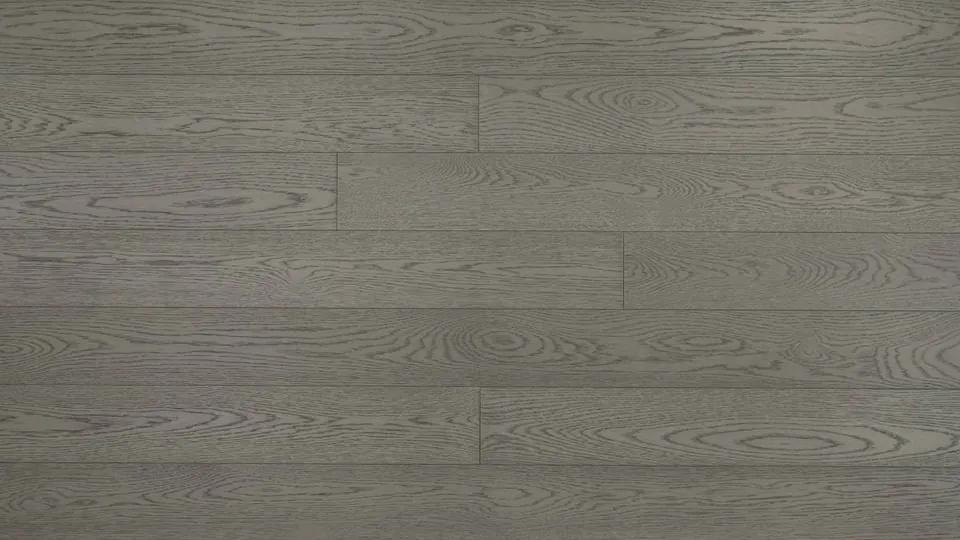
Smoke Grey
Smoke Grey OakSmoked grey-brown, cool and modern
American White Oak2 mm veneer5″ WideCharacter Grade
$6.69 / sq ft$4.29 / sq ft
Save 36%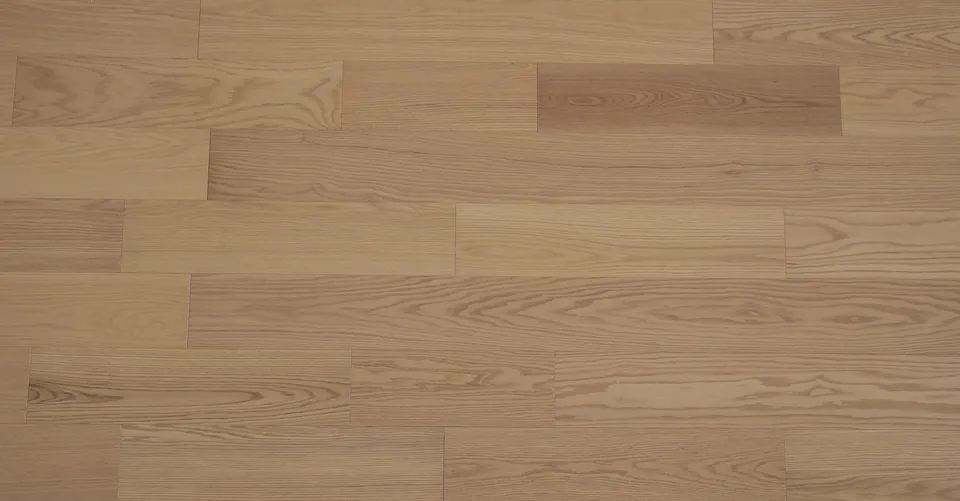
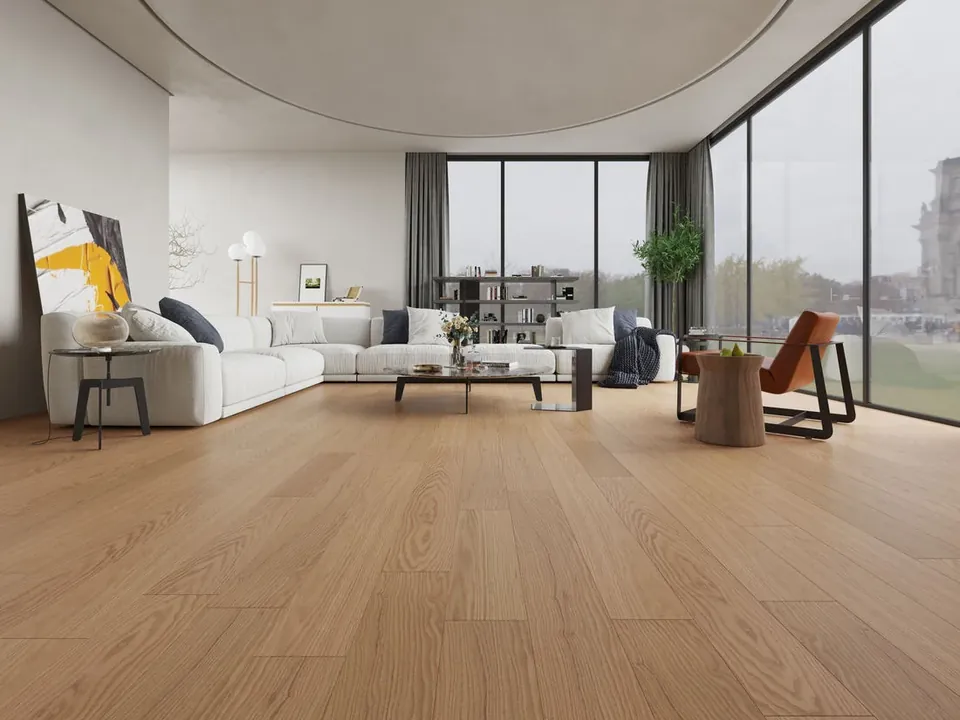 Room View
Amber
Light Golden OakAiry golden tan
Oak2 or 1.2 mm veneer6-1/2″ WideSelect Grade
$6.49 / sq ftFrom $4.49 / sq ft
Save 31%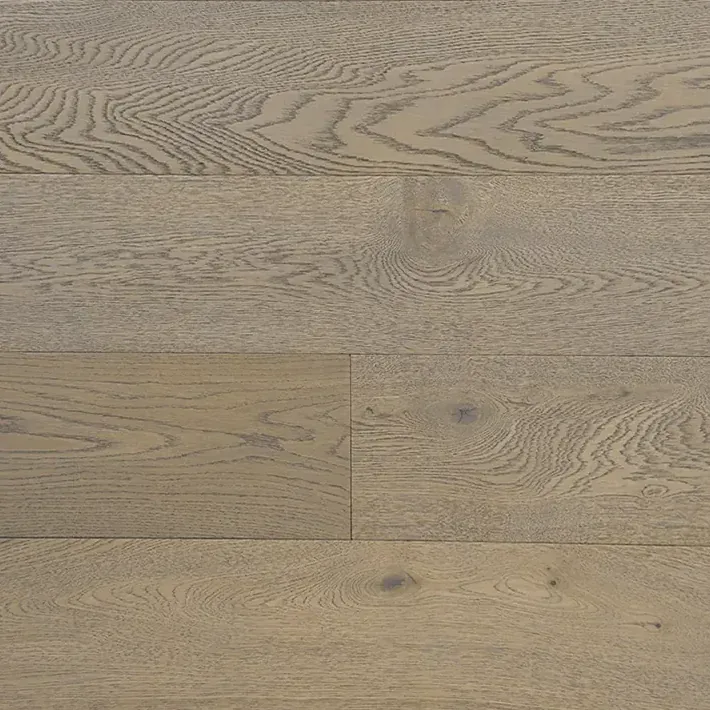
Ashen
Greige OakSoft grey-beige, calm and current
Oak1.2 mm veneer6-1/2″ WideCharacter Grade
$6.99 / sq ft$4.49 / sq ft
Save 36%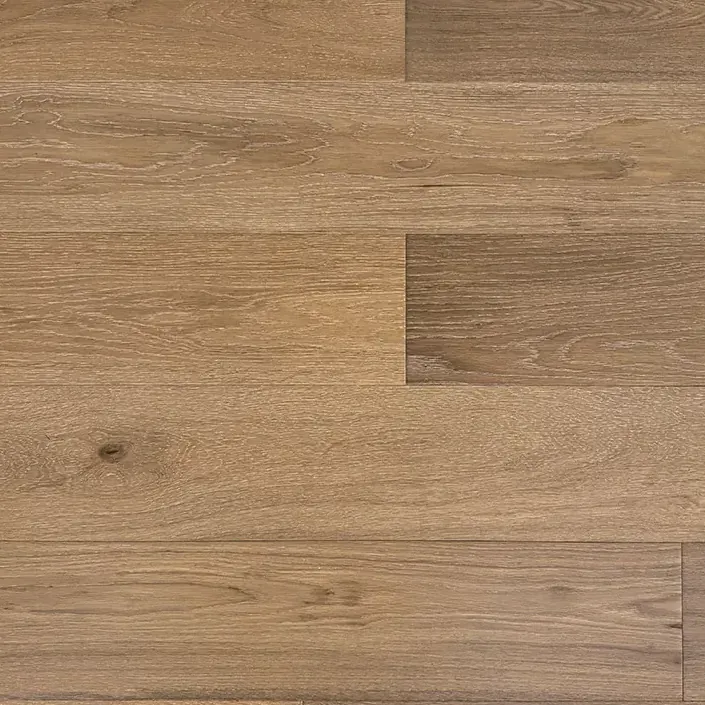
Autumn
Warm Brown OakAutumn brown, warm and settled
Oak1.2 mm veneer6-1/2″ WideCharacter Grade
Also available in Select Grade
$6.99 / sq ftFrom $4.49 / sq ft
Save 36%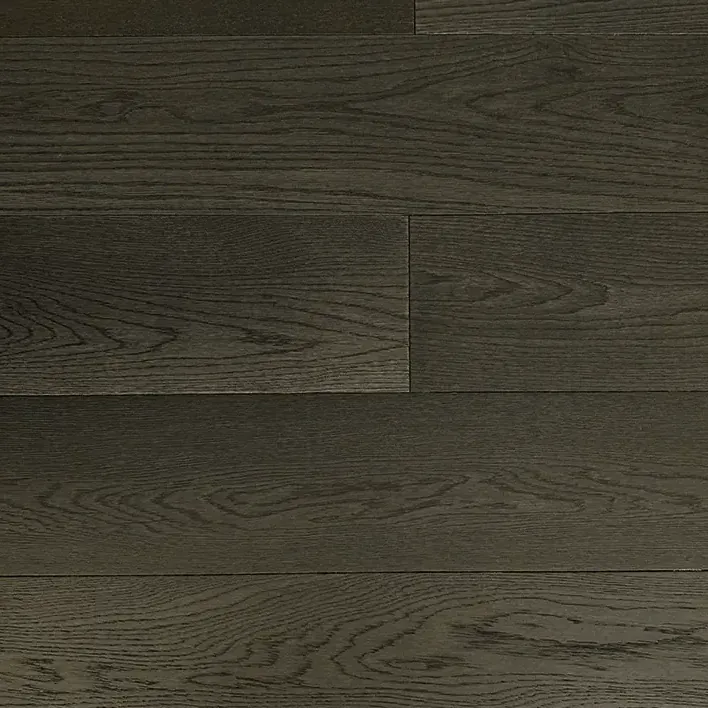
Black Brown
Espresso OakNear-black brown, bold and formal
Oak1.2 mm veneer6-1/2″ WideCharacter Grade
$6.99 / sq ft$4.49 / sq ft
Save 36%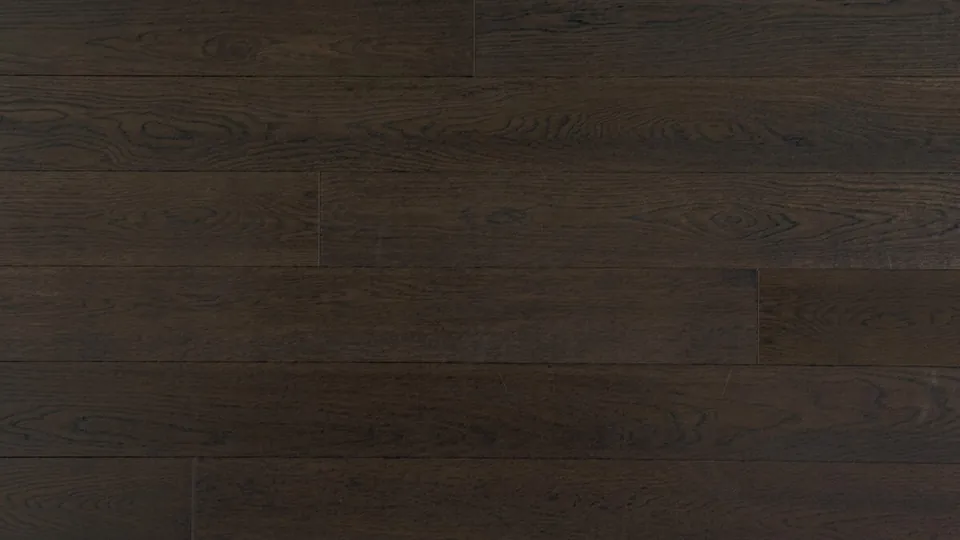
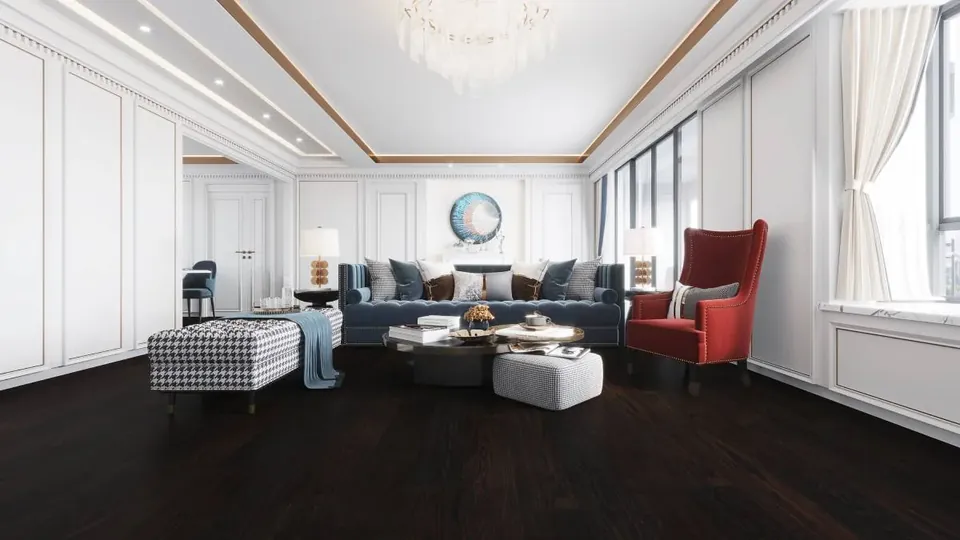 Room View
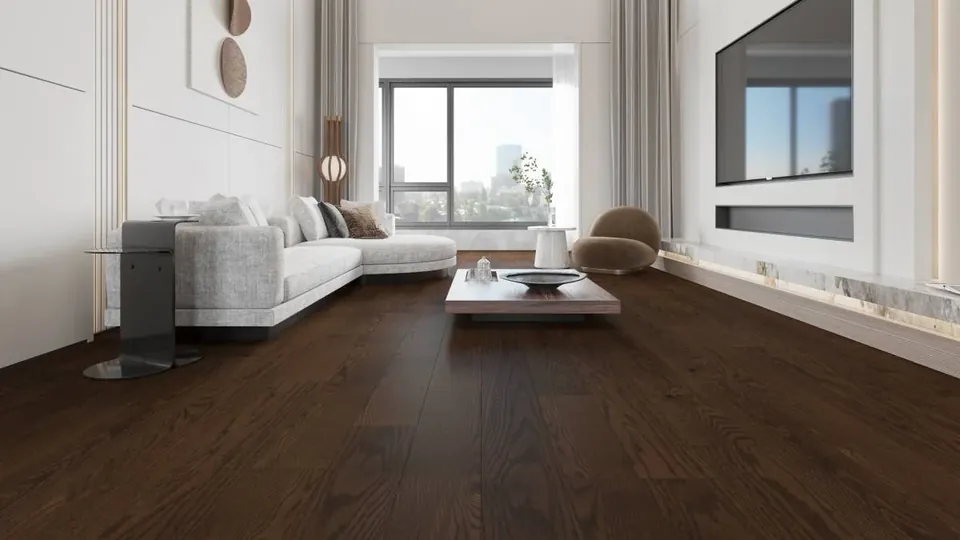
Black Brown
Espresso OakNear-black brown, formal and bold
American White Oak2 mm veneer6″ WideCharacter Grade
$6.85 / sq ft$4.49 / sq ft
Save 34%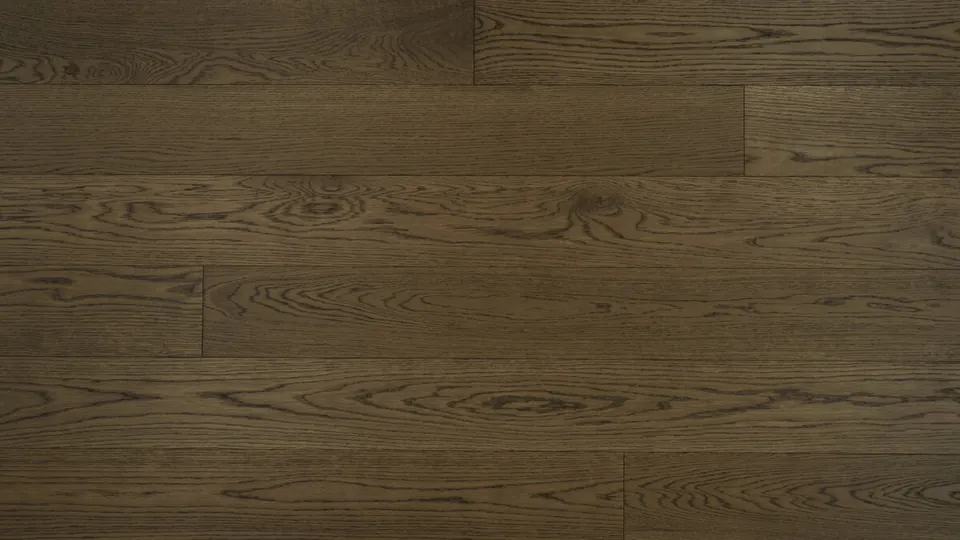
 Room View
Camel
Warm Brown OakCamel mid-brown, cozy character
American White Oak2 mm veneer6″ WideCharacter Grade
$6.89 / sq ft$4.49 / sq ft
Save 35%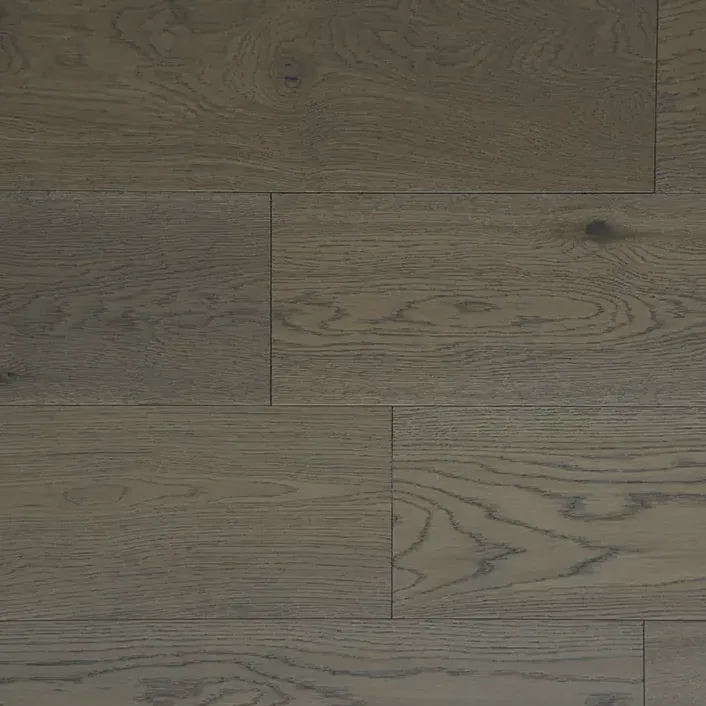
Cappuccino
Smoked Taupe OakDeep grey-taupe, moody and modern
Oak1.2 mm veneer6-1/2″ WideCharacter Grade
$6.99 / sq ft$4.49 / sq ft
Save 36%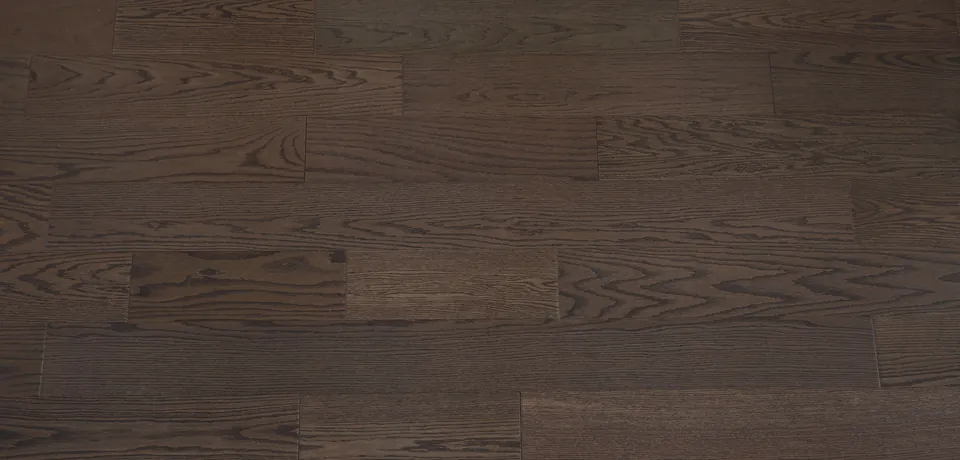
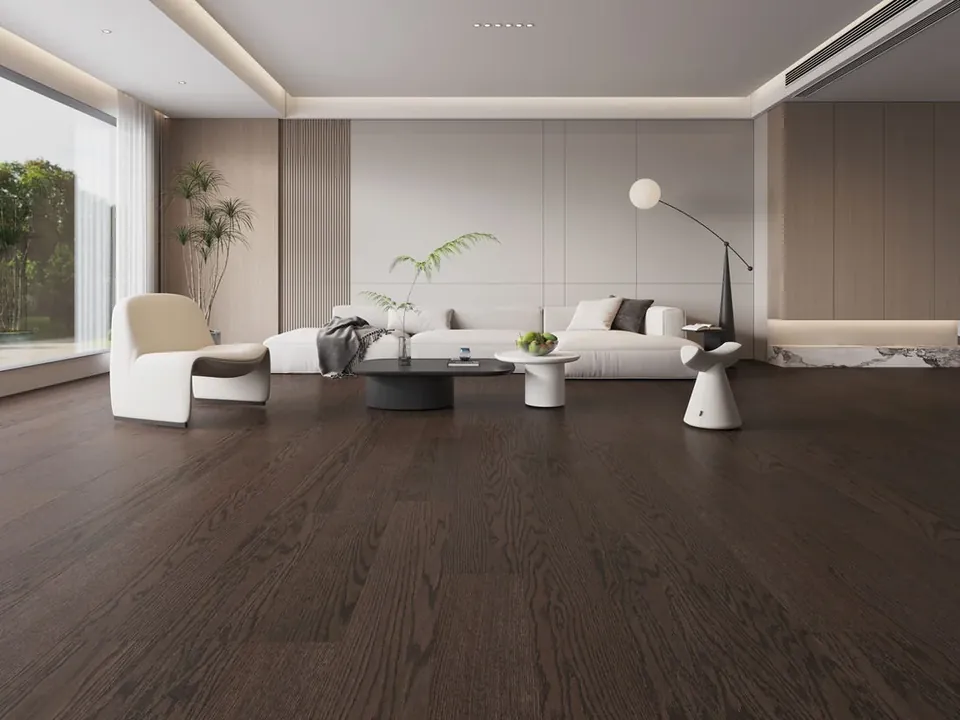 Room View
Caramel
Espresso OakDeep espresso brown
Oak1.2 mm veneer6-1/2″ WideSelect Grade
$6.49 / sq ft$4.49 / sq ft
Save 31%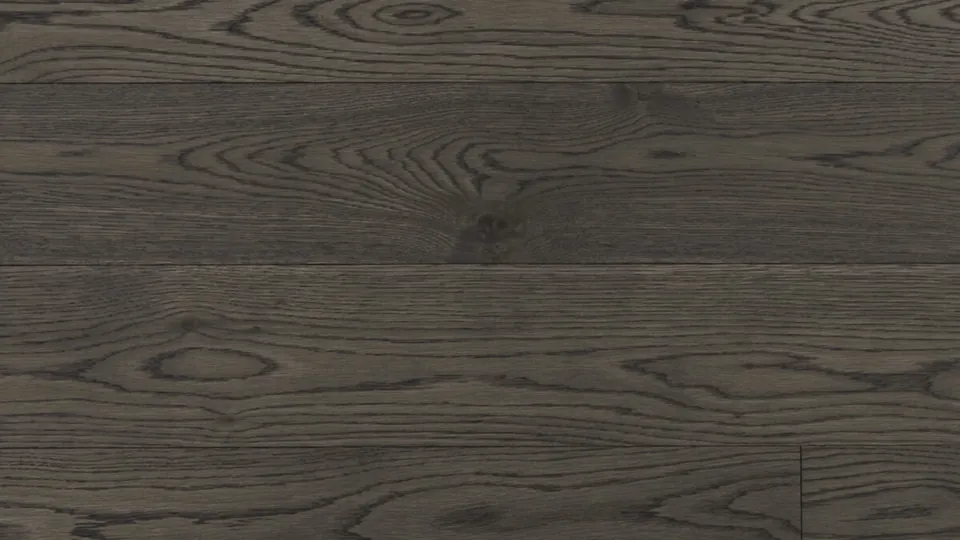
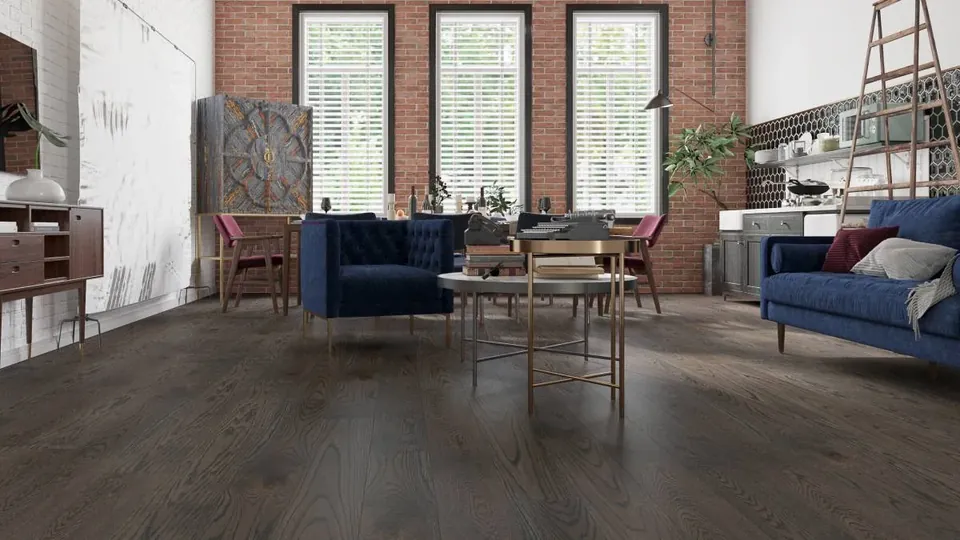 Room View
Coffee
Dark Brown OakRich coffee brown, warm depth
American White Oak2 mm veneer6″ WideCharacter Grade
$6.85 / sq ft$4.49 / sq ft
Save 34%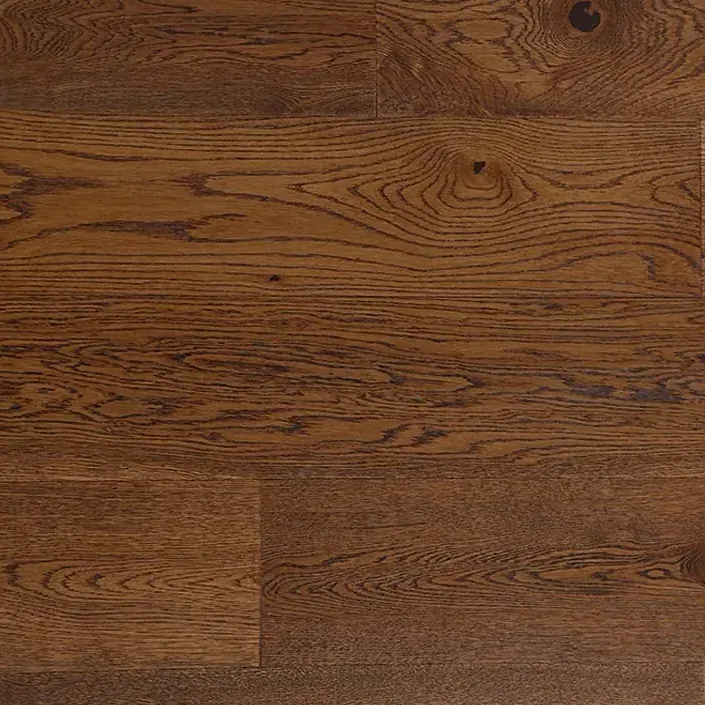
Dark Brown
Dark Brown OakRich chocolate brown, warm depth
Oak1.2 mm veneer6-1/2″ WideCharacter Grade
$6.99 / sq ft$4.49 / sq ft
Save 36%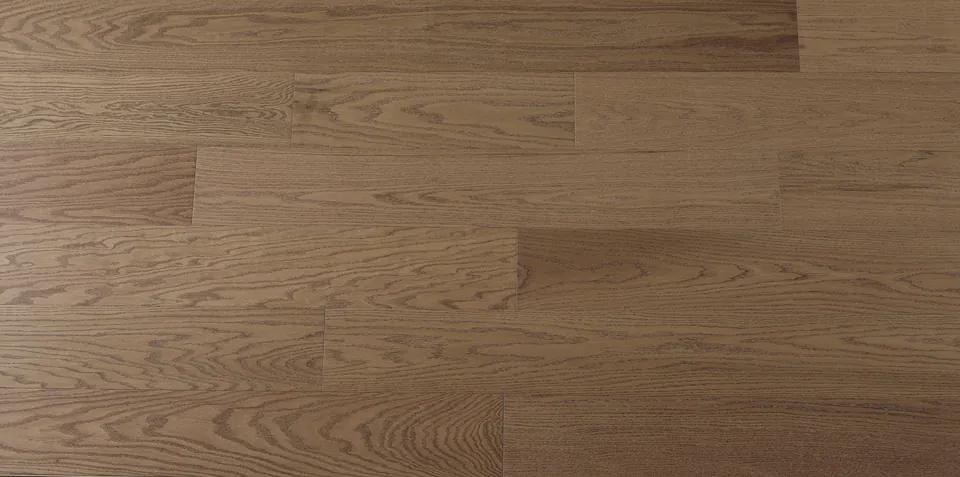
 Room View
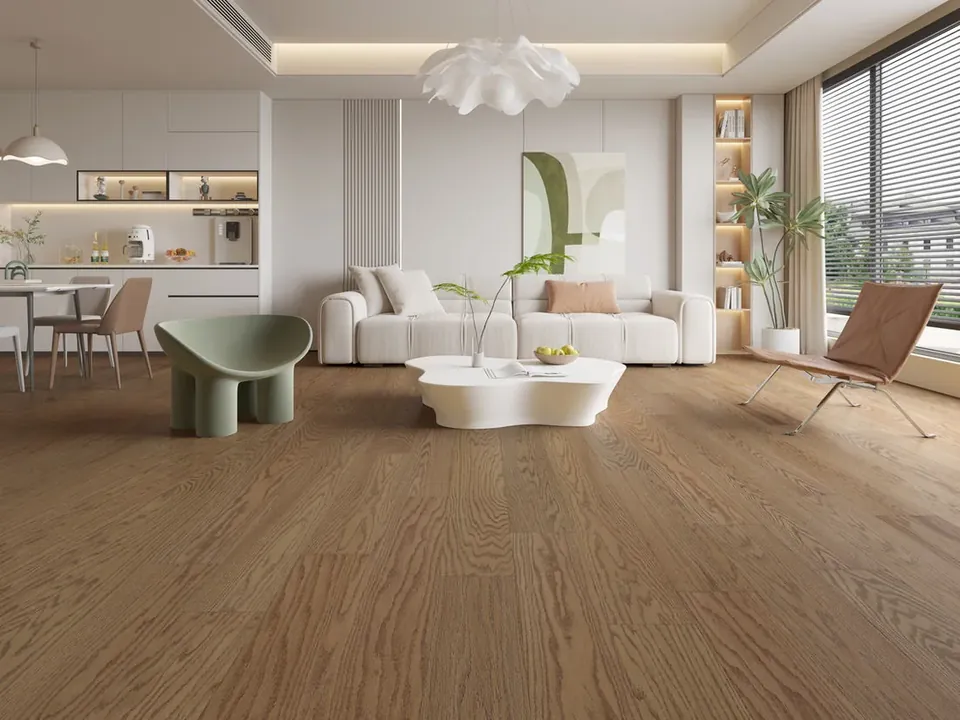
Dijon
Medium Brown OakBalanced warm brown, familiar
Oak1.2 mm veneer6-1/2″ WideSelect Grade
$6.49 / sq ft$4.49 / sq ft
Save 31%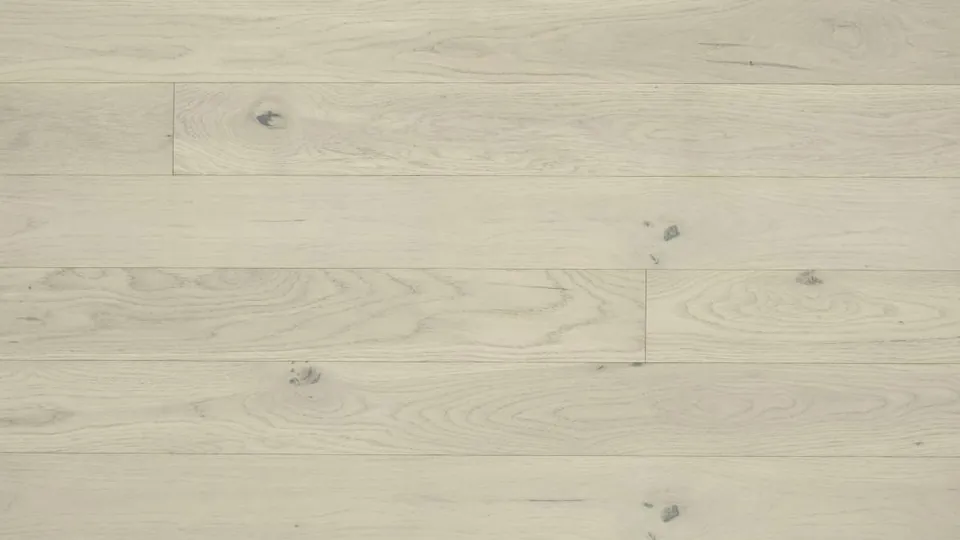
Fortino
Pale Cream OakPale creamy blonde, bright and airy
American White Oak2 mm veneer5″ WideCharacter Grade
Also available in Select Grade and Select & Better Grade
$6.69 / sq ftFrom $4.49 / sq ft
Save 33%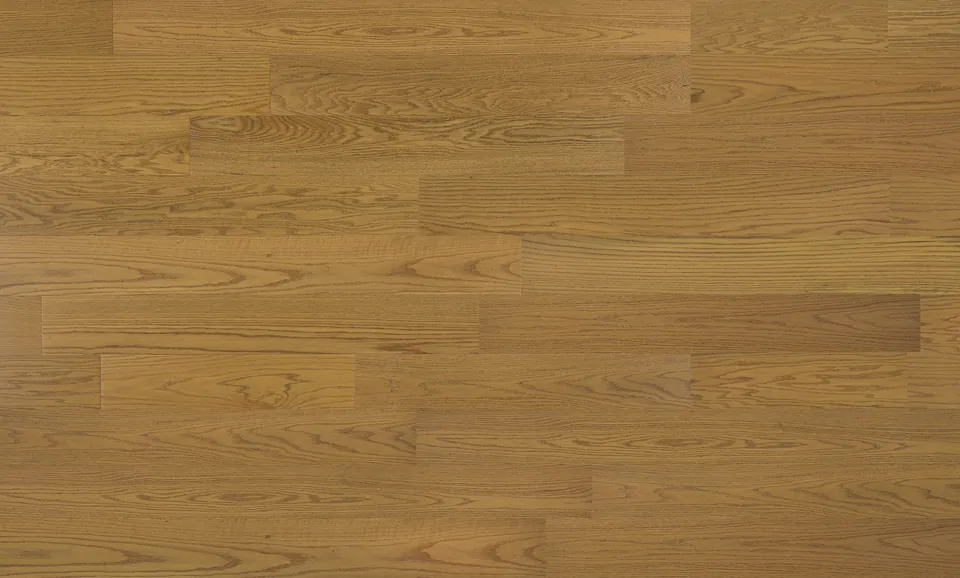
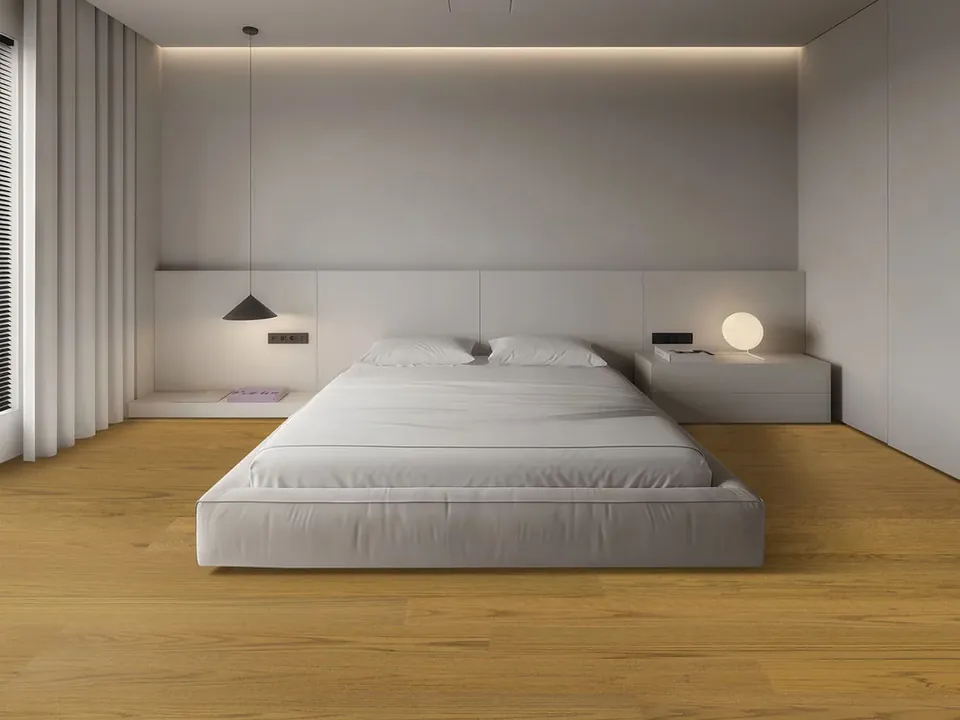 Room View
Golden Oak
Golden OakWarm classic gold, traditional and cozy
Oak1.2 mm veneer6-1/2″ WideSelect Grade
$6.49 / sq ft$4.49 / sq ft
Save 31%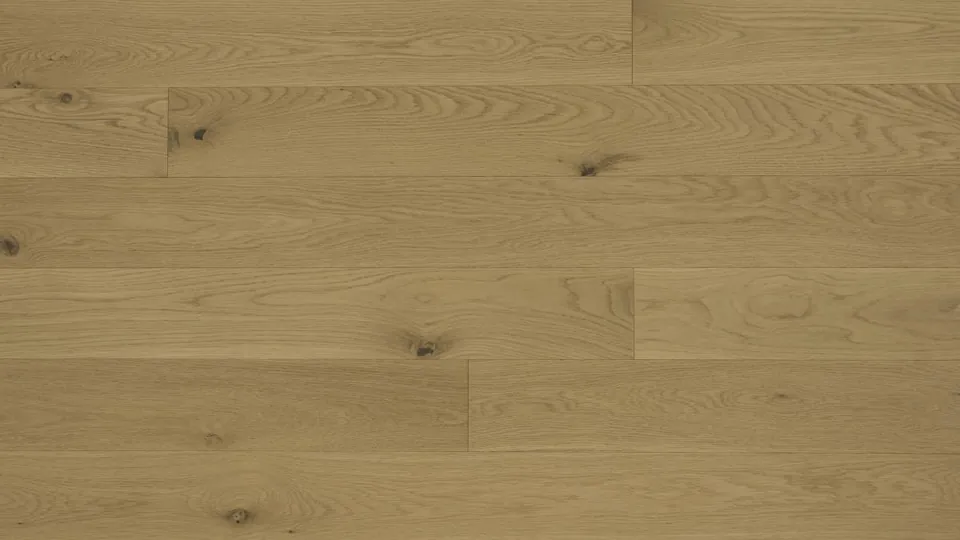
Honey Wheat
Golden Wheat OakWarm honey gold, classic and inviting
American White Oak2 mm veneer5″ WideCharacter Grade
Also available in Select Grade and Select & Better Grade
$6.69 / sq ftFrom $4.49 / sq ft
Save 33%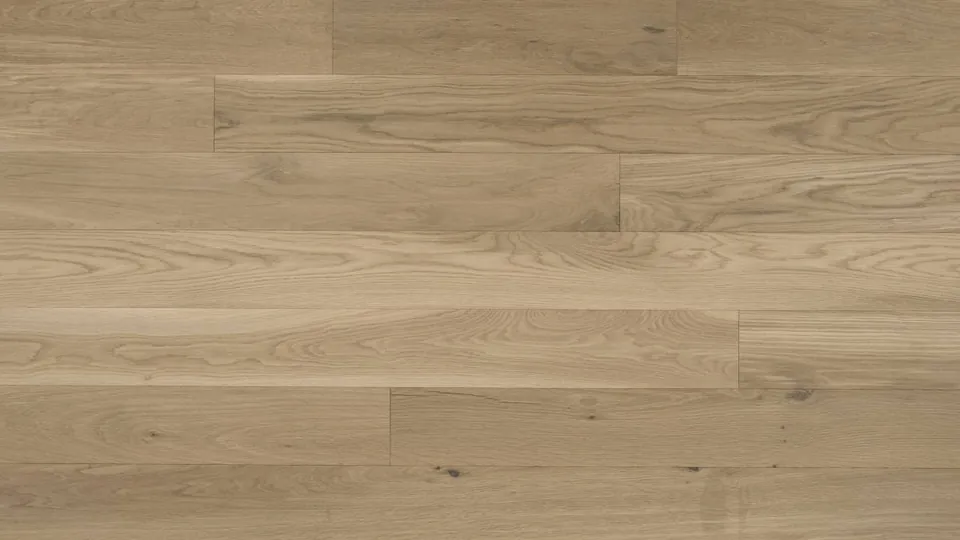
Macaroon
Soft Beige OakSoft warm beige, quiet and easy to decorate around
American White Oak2 mm veneer5″ WideCharacter Grade
Also available in Select Grade and Select & Better Grade
$6.69 / sq ftFrom $4.49 / sq ft
Save 33%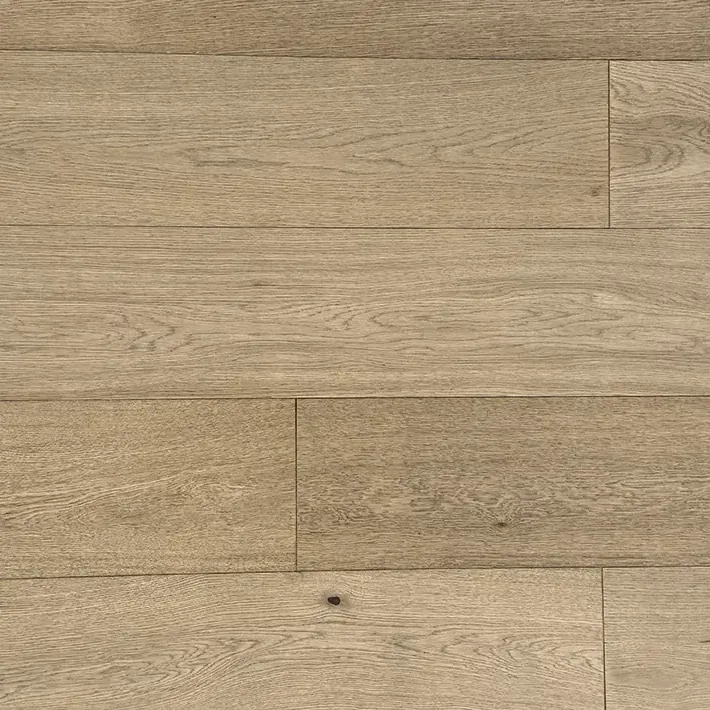
Maroon
Warm Tan OakWarm tan, gentle red undertone
Oak1.2 mm veneer6-1/2″ WideCharacter Grade
$6.99 / sq ft$4.49 / sq ft
Save 36%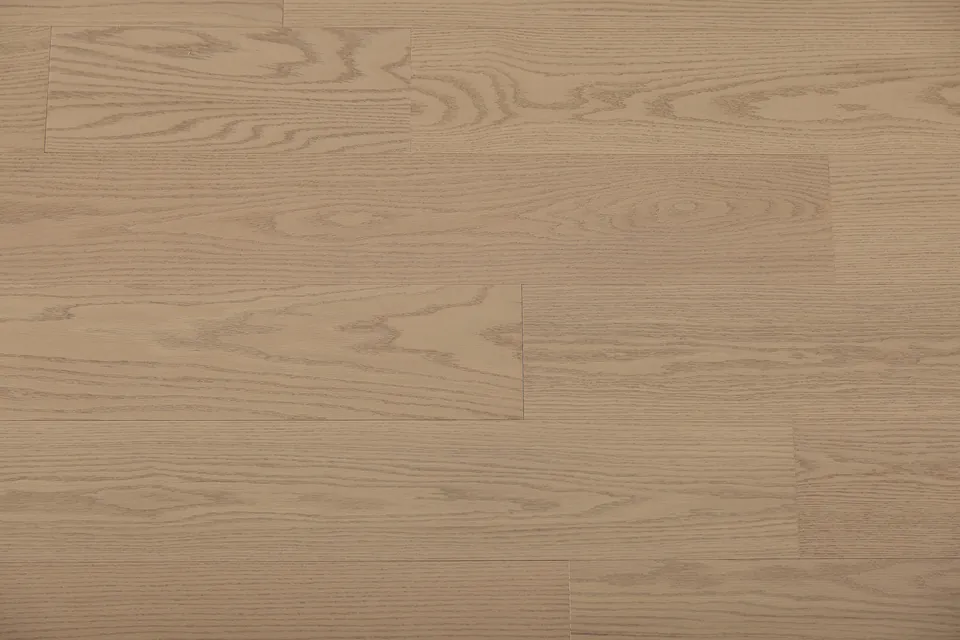
 Room View
Mocha
Greige OakWarm beige-greige, light and calm
Oak1.2 mm veneer6-1/2″ WideSelect Grade
$6.49 / sq ft$4.49 / sq ft
Save 31%Every floor in this range
Browse all 179 engineered hardwood floors by species
Oak 73
- Albescent
- Amber
- Apex
- Ashen
- Ashland
- Auburn
- Autumn
- Bare
- Bare
- Black Brown
- Calm
- Calm
- Cappuccino
- Caramel
- Chester
- Dark Brown
- Desert
- Dijon
- Duncan
- Egerton
- Electric Blue
- Emerson
- Enhance
- Enhance
- Essence
- Essence
- Fortino
- Gimli
- Golden Oak
- High Falls
- Hopewell
- Lancaster
- Lemon
- Lorette
- Maroon
- Mocha
- Morrisville
- Moseley
- Naked Oak
- Natural Beige
- Natural Sand
- Nature
- Nature
- New Hill
- Oak Banff
- Oak Honey Wheat
- Oakbank
- Oyster
- Parkton
- Pebble
- Pristine
- Pristine
- Pure
- Pure
- Raw
- Saffron
- Sand
- Sandy Brown
- Seashell
- Senses
- Senses
- Silvery Gray
- Soothe
- Soothe
- Stonewall
- Sunset
- Teulon
- Tranquil
- Tranquil
- Vanilla
- Wade
- Washing White
- Wheat
American White Oak 44
- Black Brown
- Camel
- Camel
- Camel
- Charcoal
- Coffee
- Coffee
- Coyote
- Fortino
- Fortino
- Honey Wheat
- Honey Wheat
- Honey Wheat
- Honey Wheat
- Macaroon
- Macaroon
- Macaroon
- Macaroon
- Macaroon
- Moon Light
- Moon Light
- Moon Light
- Moon Light
- Naked Oak
- Naked Oak
- Naked Oak
- Naked Oak
- Naked Oak
- Pearl
- Pearl
- Silver Stone
- Silver Stone
- Silver Stone
- Sky
- Sky
- Sky
- Sky
- Smoke Grey
- Smoke Grey
- Snow White
- Toffee Crunch
- Wheat Berry
- Wheat Berry
- Wheat Berry